Are you feeling pressured by the high cost of CNC equipment and uncertain returns? Discover how to achieve measurable Return on Investment (ROI) and turn your investment into a competitive advantage through a strategic approach to cutting tools and Total Cost of Ownership (TCO).
Smart CNC Investment: Are You Focusing on Cost or Value?
The transition to Industry 4.0 is imperative. Smart CNC machine tools promise unprecedented levels of efficiency, precision, and automation. However, for many manufacturers, the path to modernization faces a significant challenge: the high upfront cost of smart equipment and an unbalanced expectation regarding Return on Investment (ROI). The concern of investing heavily in technology that fails to deliver returns is not unfounded.
But what if the key to boosting ROI lies not in the machines themselves, but in a smaller yet critical component? The solution lies in shifting your perspective from price to Total Cost of Ownership (TCO), and recognizing advanced cutting tools as the primary driver of value.
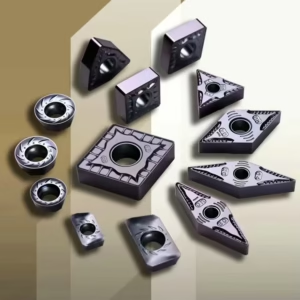
The Hidden Costs of “Good Enough” Cutting Tools
A standard, low-cost cutting tool may seem like a cost-saving solution at first glance. However, its hidden costs quickly erase any initial savings:
- Frequent Downtime: Frequent tool changes translate to reduced machine uptime.
- Inconsistent Quality: Subpar performance leads to higher scrap and rework rates.
- Insufficient Speed: Failure to maximize machine capabilities results in inefficiency.
- Shortened Tool Life: An accelerated purchase-use-replacement cycle drains both budget and administrative time.
This is the core issue behind the imbalance in ROI. You invest in a high-performance machine, yet equip it with a cutting tool that holds back its full potential.

The most effective way to ensure ROI is to partner with a tool supplier focused on customer success rather than merely selling products. A proven model illustrates this perfectly:
Imagine an overseas auto parts manufacturer struggling with mild steel machining. Their core issue was poor chip formation, leading to tool damage and inconsistent machining results. A standard tool solution would simply recommend switching to another grade of steel.
In contrast, a specialized manufacturing partner adopted a user-centric closed-loop model:
- In-Depth Consultation: They didn’t just ask about the material—they analyzed the entire application process, including machine rigidity, cutting fluid, fixtures, and desired outcomes.
- Customized Solution: Based on this data, they designed a tool geometry and coating optimized specifically for the customer’s equipment.
- Delivery & Validation: After tool delivery, on-site test cutting was conducted to verify performance in real-world conditions.
The results were remarkable. The new tool solution not only resolved the chip breaking issue but also increased tool life from 60 parts to 100 parts—a 66.7% improvement. This isn’t just a number—it’s a direct, measurable contribution to ROI. It translates to fewer tool purchases, less downtime, and higher per-shift output.
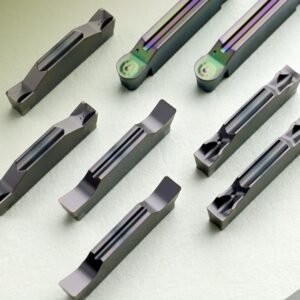
When evaluating any tool investment, don’t just look at the sticker price. Calculate its impact on your bottom line:
- Unit Cost: (Tool Price) / (Part Output)
- Machine Uptime: How many additional hours of actual cutting time does your machine achieve per week?
- Scrap Rate Reduction: How much do you save on materials and rework?
By focusing on these metrics, you can transform cutting tools from a consumable expense into a strategic investment. The right partner will help you unlock the full potential of your smart equipment, ensuring every dollar you invest delivers maximum value.
By 2026, the winners in manufacturing will no longer be those who only buy the cheapest tools—but those committed to building partnerships that maximize performance and ROI. We are more than just your tool supplier; we are your profitability partner, dedicated to ensuring your investments in smart manufacturing yield returns. Every optimized cut drives your bottom line.