
Description
Introduction:
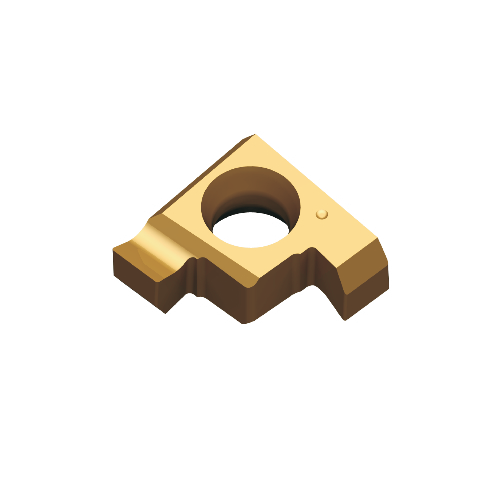
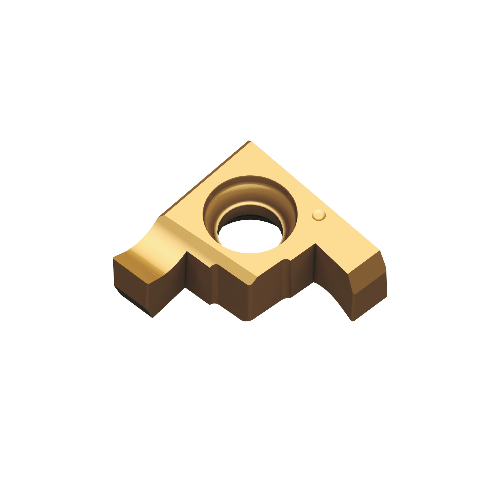
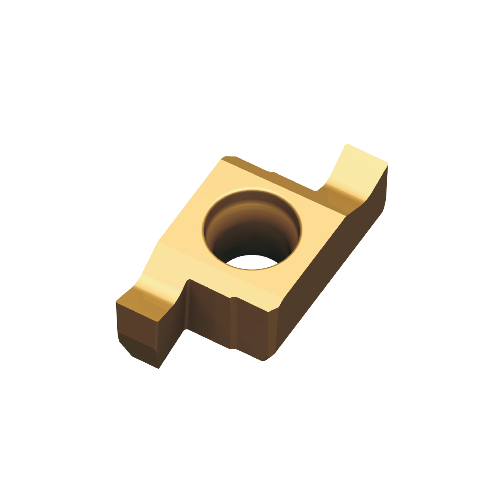
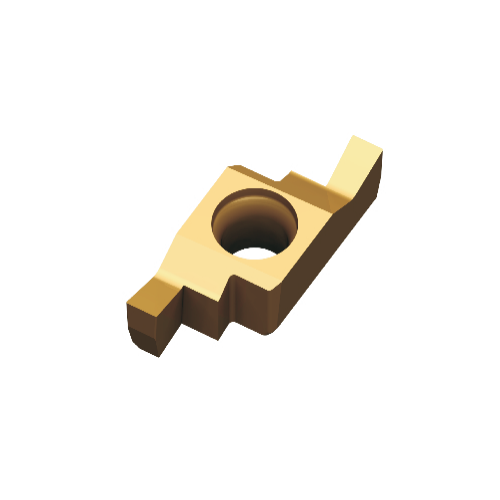
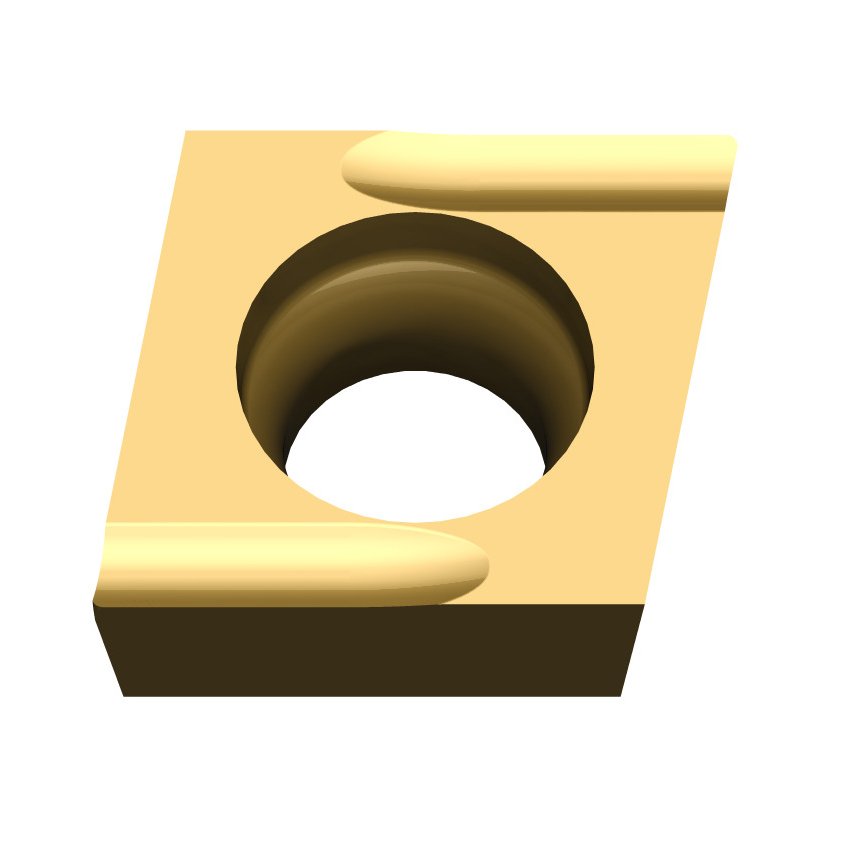
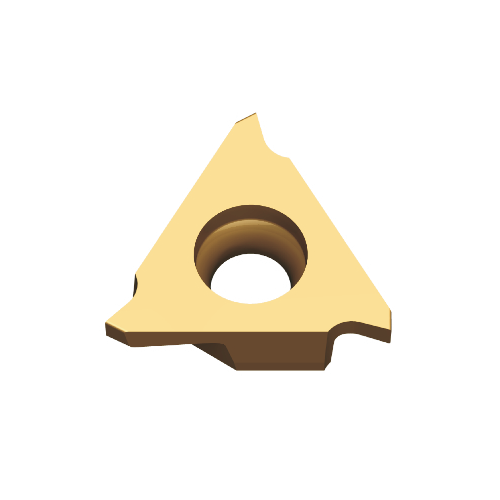
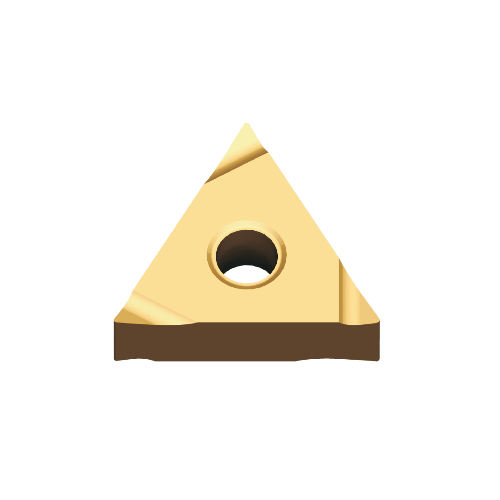
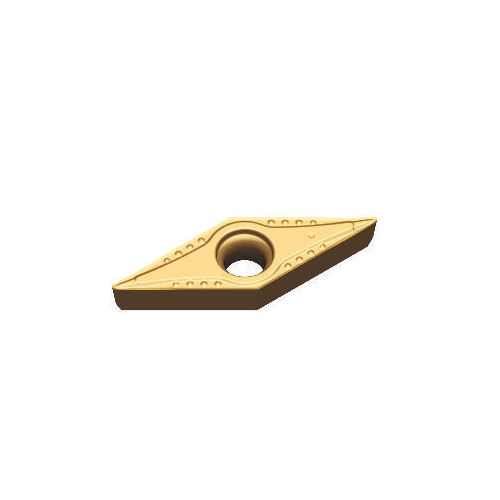
TER-A is a high-positive Swiss-type cutting tool engineered for precision small component machining. Designed with a 20° clearance angle and light-cutting chipbreaker geometry, it significantly reduces cutting resistance and vibration during micro turning operations.
This insert is optimized for Swiss-type sliding headstock lathes and is widely used in medical parts, electronic connectors, watch shafts, aerospace miniature components, and automotive precision machining.
With superior chip control, stable edge strength, and excellent surface finish performance, TER-A is ideal for stainless steel (SUS304), aluminum, brass, and low-carbon steel applications. Its geometry minimizes radial cutting force, making it especially suitable for slender and small-diameter workpieces.
- Optimized Force Distribution for Micro Turning
TER-A is engineered with a single-edge active cutting zone, allowing controlled load concentration and predictable chip flow direction.
The cutting edge position is optimized closer to the insert centerline, shortening the moment arm during cutting.
This design reduces bending stress on:
- The insert body
- The tool holder
- The workpiece
- Controlled Chipbreaker Micro-Geometry
The light-cutting chipbreaker is designed with a shallow groove and controlled rake curvature.
Instead of aggressive chip curling, TER-A promotes smooth chip lifting at low feed rates.
This ensures:
- Stable chip evacuation in confined Swiss environments
- Prevention of chip nesting around small parts
- Reduced edge chipping under interrupted light cuts
- Reduced Thermal Load in Small Diameter Machining
In small-diameter turning, excessive heat accumulation often leads to built-up edge (BUE).
The high positive geometry combined with reduced contact length lowers thermal concentration at the cutting zone.
This improves:
- Edge integrity
- Tool life consistency
- Surface quality in stainless steel and aluminum
- Vibration Suppression in Slender Workpieces
Swiss-type machining involves long, unsupported workpiece overhangs.
The low cutting force design of TER-A minimizes excitation energy that could trigger chatter.
The geometry ensures smoother force transition during entry and exit cuts, enhancing dynamic stability.
- Structural Rigidity Despite High Positive Geometry
While high positive inserts are typically weaker at the edge, TER-A compensates with:
- Reinforced edge land
- Optimized cross-sectional thickness
- Balanced wedge angle
This maintains sufficient edge strength even in stainless steel applications.
Main technical parameters:
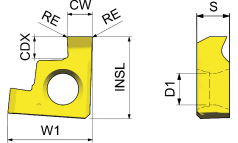
| Type | INSL | W1 | S |
D1 |
| TER_-_A | 6.50 | 6.69 | 2.58 |
2.50 |
| Type | Hand | CDX | CW |
RE |
|
TER100-005A |
R | 1.7 | 1.00 | 0.05 |
|
TER120-005A |
R | 1.7 | 1.20 | 0.05 |
|
TER125-005A |
R | 1.7 | 1.25 |
0.05 |
| TER150-010A | R | 1.7 | 1.50 |
0.1 |
| TER200-010A | R | 1.7 | 2.00 |
0.1 |



Reviews
There are no reviews yet.