
Description
Introduction:
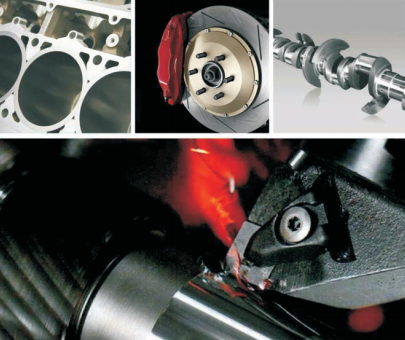
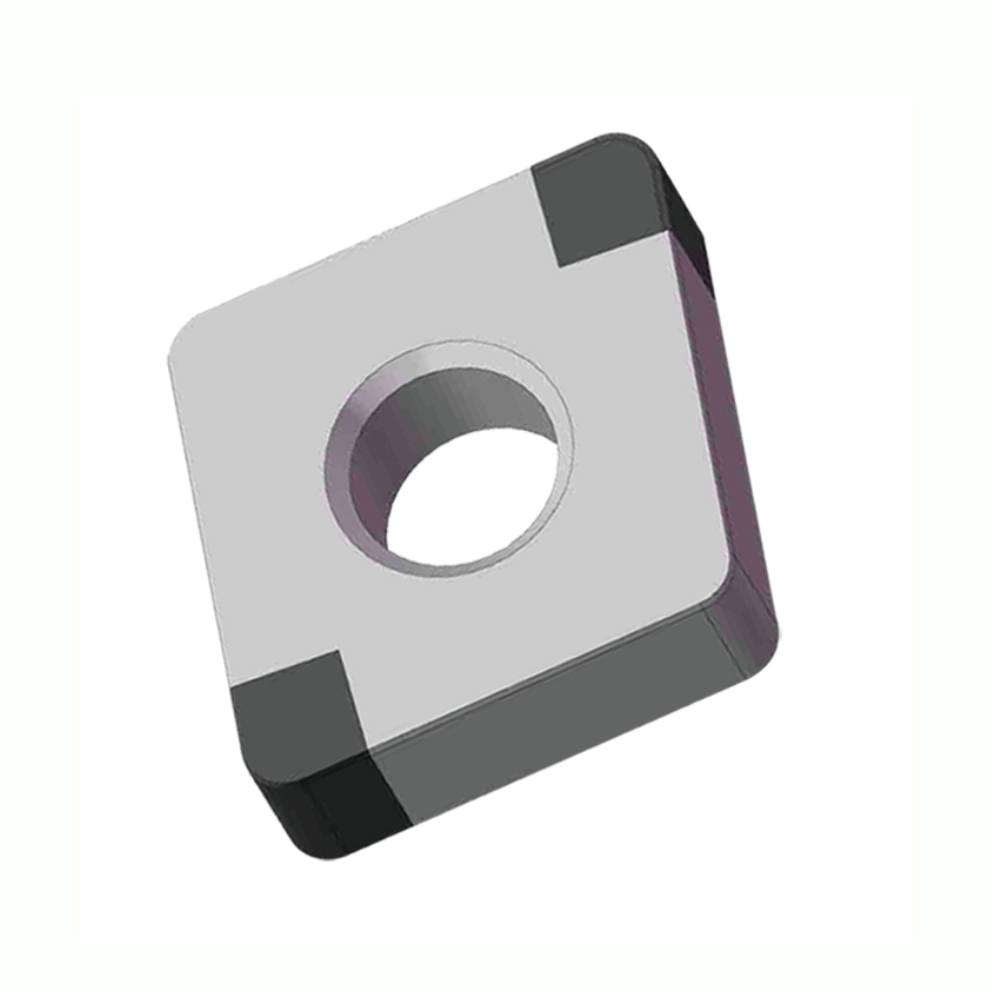
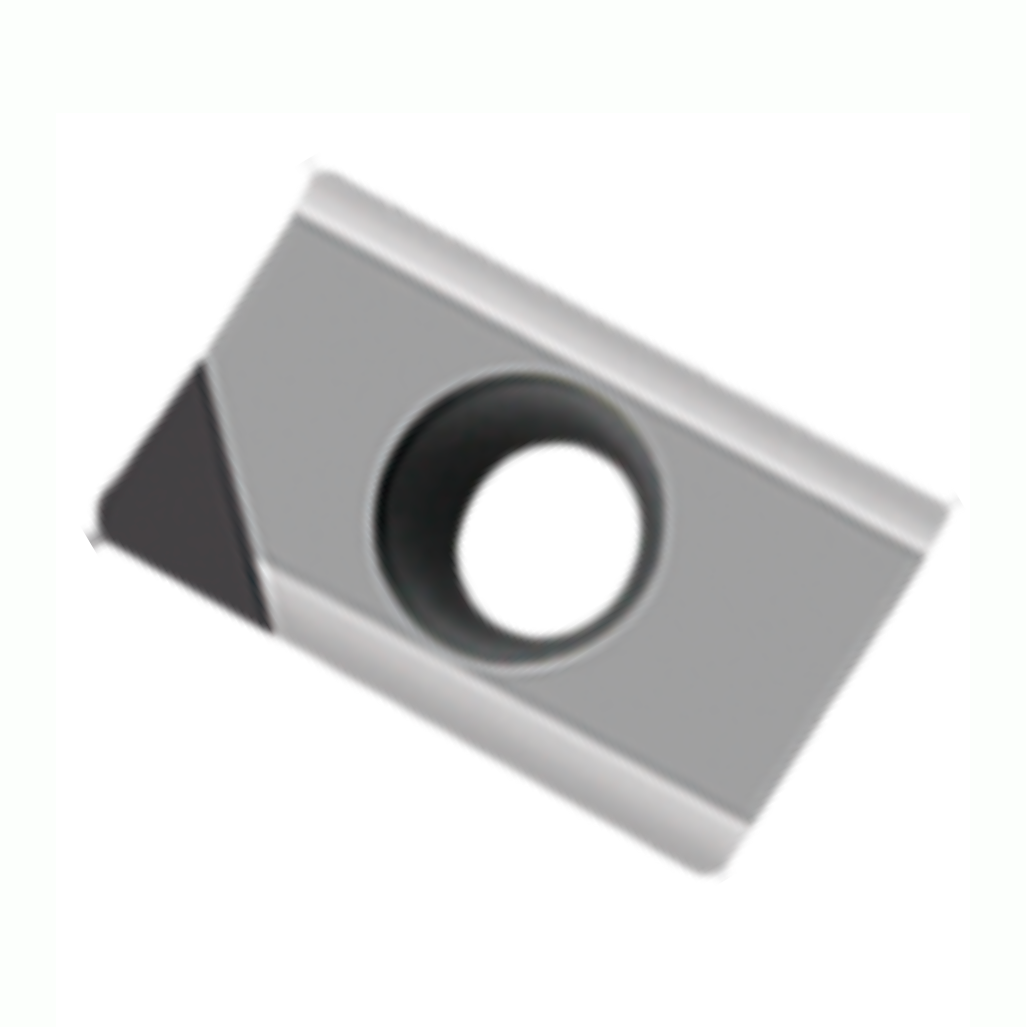
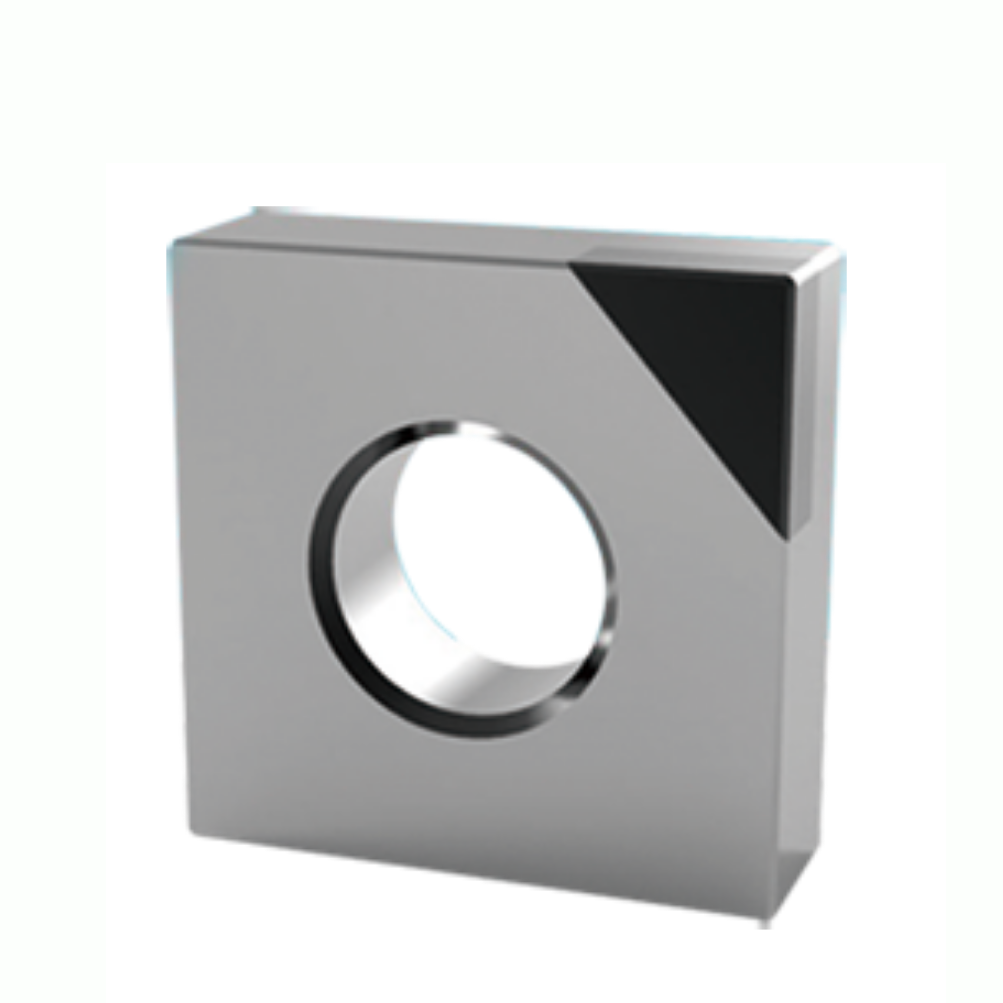
The integrally brazed CBN insert (Cubic Boron Nitride insert) is a high-performance cutting tool specifically engineered for hard turning applications of hardened steel (55–65 HRC), bearing steel, and cast iron. Utilizing advanced vacuum brazing technology, the CBN cutting edge is permanently bonded to a carbide substrate, delivering superior bonding strength, high thermal resistance, and excellent wear performance in both continuous and interrupted cutting.
Compared to traditional clamped CBN inserts, the brazed CBN insert offers enhanced rigidity and vibration resistance, ensuring stable machining, improved surface finish, and consistent dimensional accuracy. The optimized edge geometry with honed and chamfered cutting edges effectively reduces chipping, increases edge strength, and extends tool life under high-speed cutting conditions.
This CBN turning insert is ideal for dry machining and high-speed finishing, significantly reducing cycle time and tooling cost per part. It is widely used in CNC lathes for machining hardened components such as automotive gears, bearing rings, rollers, and hardened shafts.
As a reliable solution for replacing grinding processes, the brazed CBN insert improves productivity while maintaining high precision and surface integrity. It is an excellent choice for automotive, aerospace, and precision engineering industries seeking cost-effective and stable hard machining solutions.
- Metallurgical Bonding Mechanism at the Interface
The brazed integral structure forms a true metallurgical bond between the CBN compact and the carbide substrate, as opposed to purely mechanical retention. This significantly enhances interfacial shear strength and suppresses crack initiation and propagation under cyclic mechanical and thermal loading.
- Thermal Conductivity and Heat Dissipation Efficiency
The continuous bonding interface reduces thermal contact resistance, enabling efficient heat transfer from the cutting edge to the substrate. This mitigates localized thermal accumulation, thereby improving resistance to thermal softening and oxidation wear during high-speed or dry cutting.
- Mechanical Integrity and Structural Rigidity
The monolithic configuration eliminates compliance typically associated with clamped or tipped tools. This results in higher system stiffness, reduced vibration amplitude, and improved resistance to edge micro-fracture, especially in interrupted cutting conditions.
- Wear Mechanisms and Tool Life Behavior
CBN exhibits exceptional resistance to abrasive wear, adhesive wear, and diffusion wear when machining ferrous materials. The brazed design ensures stable load transfer, leading to predictable flank wear progression and extended tool life under high hardness machining conditions (HRC 45-65).
- Cutting Edge Stability and Dimensional Control
The rigid bonding and high hardness of CBN enable superior edge retention, minimizing edge rounding and plastic deformation. This ensures tight dimensional tolerances and improved surface integrity over prolonged machining cycles.
- Process Substitution Capability
Brazed CBN inserts enable hard turning as a viable alternative to grinding, offering reduced cycle times, lower capital investment, and improved process flexibility while maintaining comparable surface finish and geometric accuracy.
- Reliability in Automated and High-Volume Production
The consistency of the brazing process ensures uniform tool performance, reducing tool-to-tool variability and enhancing predictability in CNC and automated production lines.
- Life-Cycle Cost Efficiency
Despite higher initial tooling cost, the significantly extended tool life, reduced tool change frequency, and minimized downtime result in a lower cost per part in mass production environments.
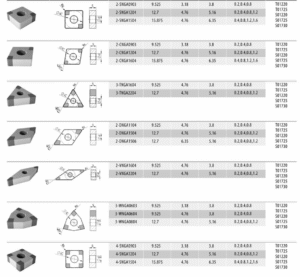
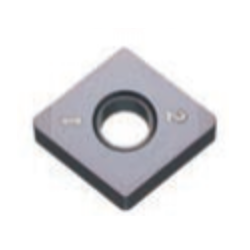
Multi-edge Insert
High-Strength Brazed Solid CBN
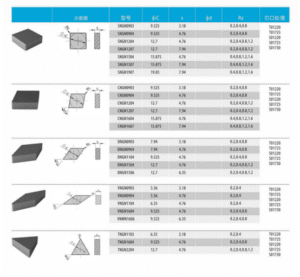
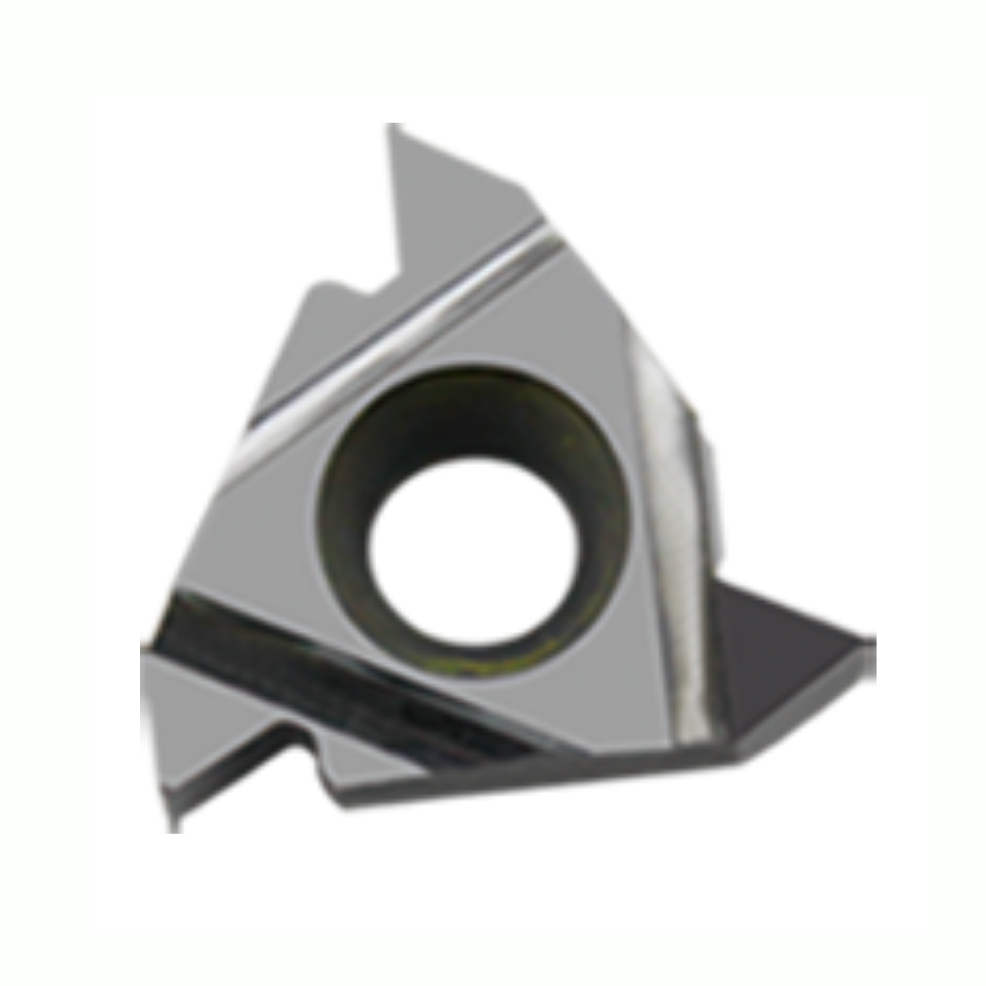
Standard Insert

Solid PCBN
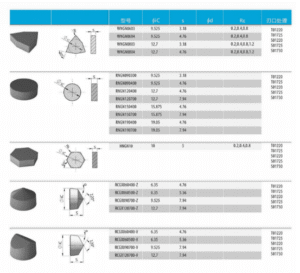
Standard Insert
Reviews
There are no reviews yet.